
 Leadership styles can shape everything from workplace culture and employee wellbeing to innovation, productivity and long-term business success. In today’s fast-changing world of hybrid working, economic uncertainty and evolving employee expectations, leaders are under more pressure than ever to adapt how they lead.
At Call of the Wild, we work with leaders and teams across the UK through experiential leadership development, team building and development programmes in the heart of the Bannau Brycheiniog. One thing we’ve learned? There is no single “perfect” leadership style; the best leaders understand when to flex their approach depending on the people, environment and challenge in front of them.
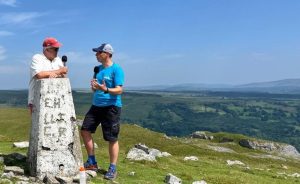
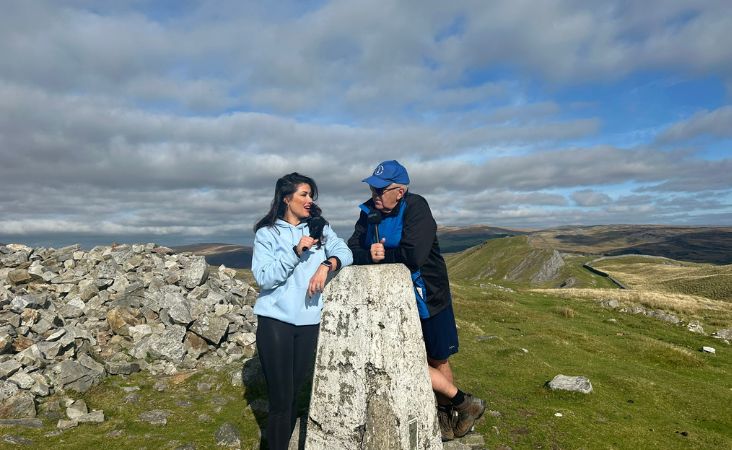
That’s also the focus of our podcast, Walking the Talk Podcast, hosted by Robert Lloyd Griffiths OBE. Each episode features honest conversations with inspiring leaders whilst walking through the stunning landscapes of the Bannau Brycheiniog, exploring leadership, resilience, culture and what it really takes to lead.
What Are Leadership Styles?
Leadership styles are the different approaches leaders use to guide, motivate and support their teams. A leader’s style influences communication, decision-making, team morale and organisational culture.
The most effective leaders often combine several leadership styles depending on the situation rather than relying on just one.
Some of the most recognised leadership styles include:
- Transformational leadership
- Democratic leadership
- Coaching leadership
- Servant leadership
- Autocratic leadership
- Situational leadership
- Visionary leadership
Understanding these approaches can help leaders become more self-aware, adaptable and effective.
Transformational Leadership: Inspiring Growth and Change
Transformational leaders focus on inspiring and motivating people towards a shared vision. They encourage innovation, personal growth and positive change.
This style is particularly effective during periods of organisational change or growth because it creates energy and purpose across teams.
Common traits of transformational leaders include:
- Strong communication skills
- Emotional intelligence
- Clear vision and purpose
- Ability to inspire others
- Focus on development and empowerment
Many guests on the Walking the Talk Podcast
discuss how authentic leadership and purpose-driven cultures help organisations thrive – especially during uncertain times.
Coaching Leadership: Developing People for Long-Term Success
Coaching leadership has become increasingly important as businesses focus more on employee engagement, retention and wellbeing.
Rather than simply directing tasks, coaching leaders support individuals in developing confidence, skills, and ownership. This leadership style often leads to stronger team relationships and higher levels of motivation.
A coaching leadership style works particularly well in organisations that value:
- Learning and development
- Future talent pipelines
- Psychological safety
- Collaborative working
- Long-term growth
At Call of the Wild, many of our leadership programmes use experiential learning to help leaders develop a more coaching-focused approach through reflection, challenge and real-world scenarios in the outdoors.
Situational Leadership: Why Adaptability Matters
One of the biggest leadership trends in 2026 is adaptability.
Situational leadership recognises that different people and situations require different approaches. A new team member may need more direction and structure, while an experienced employee may thrive with autonomy and trust.
Leaders who can flex their style are often better equipped to:
- Manage hybrid teams
- Navigate uncertainty
- Build resilient cultures
- Respond to change quickly
- Support diverse personalities and needs
This flexibility is a recurring theme throughout the Walking the Talk Podcast, where leaders share honest reflections on the realities of leadership beyond titles and job descriptions.
Servant Leadership and Employee Wellbeing
Servant leadership focuses on putting people first. Rather than leading through hierarchy or control, servant leaders prioritise the growth, wellbeing and success of their teams.
This leadership style has become increasingly relevant as organisations place greater emphasis on:
- Employee wellbeing
- Inclusive cultures
- Retention and engagement
- Mental health support
- Purpose-driven leadership
Research consistently shows that employees are more engaged when they feel heard, valued and supported.
Outdoor leadership development experiences, particularly those that remove workplace distractions and encourage reflection, can help leaders reconnect with these human-centred leadership principles.

Leadership Styles in the Modern Workplace
Today’s leaders face challenges that didn’t exist a decade ago:
- Hybrid and remote working
- Burnout and wellbeing concerns
- Skills shortages
- Multi-generational workforces
- Rapid technological change
- Increased pressure for authentic leadership
Because of this, leadership styles are evolving. Employees increasingly value leaders who are:
- Authentic
- Empathetic
- Adaptable
- Collaborative
- Purpose-driven
The traditional command-and-control leadership style is becoming less effective in many modern workplaces, particularly where innovation, creativity and engagement are essential.
Leadership Lessons from the Outdoors
There’s something powerful about stepping away from boardrooms and screens to have real conversations outdoors.
The landscapes of the Bannau Brycheiniog create space for reflection, openness and honest discussion – which is exactly why the Walking the Talk Podcast takes place on the trails rather than in a studio.
Walking side-by-side often creates more authentic conversations about leadership challenges, resilience, vulnerability and growth.
It also reflects an important truth about leadership itself: great leadership is not about having all the answers, it’s about continuing to learn, adapt and grow.
Which Leadership Style Is Best?
There is no universally “best” leadership style.
The most effective leaders are self-aware enough to understand:
- Their natural leadership tendencies
- How their behaviour impacts others
- When to adapt their approach
- How to build trust and engagement
Strong leadership is ultimately about people.
Whether through transformational leadership, coaching leadership or servant leadership, the leaders who make the biggest impact are often those who create environments where people feel empowered to succeed.
Listen to Walking the Talk
If you’re interested in leadership, culture and authentic conversations with inspiring leaders, explore the Walking the Talk Podcast
hosted by Robert Lloyd Griffiths OBE.
Recorded while walking through the breathtaking landscapes of the Bannau Brycheiniog, the podcast offers fresh perspectives on leadership styles, resilience, business culture and personal growth.
Whether you’re a senior leader, aspiring manager or simply curious about how great leaders think, each episode provides practical insights and honest reflections from people who are truly walking the talk.
Related